
Choosing Originality Over Best-Sellers: Ari 'Padi's Journey in Forging Homer Guitar
August 20, 2026
Padi guitarist Ari sacrifices best-sellers for originality, proving local guitars can rival global giants through uncompromising craftsmanship and identity.
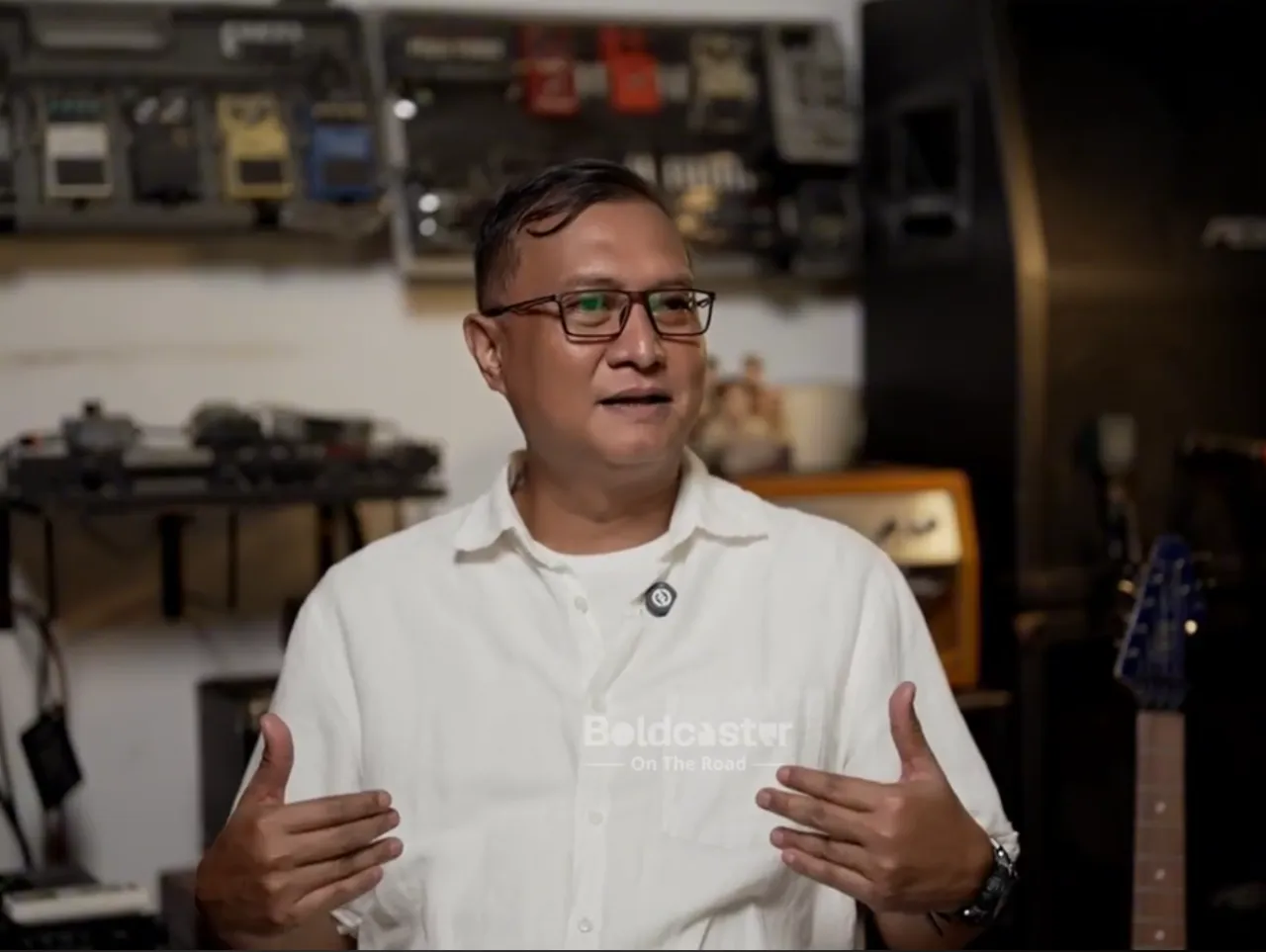
For decades, the public has known Ari Tri Sosianto as the lead guitarist of the band Padi. Yet, beyond the roar of the stage, Ari has harbored a singular dream since his high school days: to build an Indonesian guitar brand defined by its own character, quality, and name.
That dream now lives within Homer Guitar—a testament that the local guitar industry can be far more than a mere manufacturing hub for foreign brands.
Quick Summary (Key Takeaways):
- Homer Guitar champions original design, deliberately avoiding the replication of industry giants like Fender or Gibson.
- Ari personally validates each instrument across recording studios and grand stages alongside Padi Reborn.
- Local brands command fair pricing despite smaller production runs, delivering craftsmanship built to compete on the world stage.
Philosophy “Just Be Yourself” and a Bold Business Decision
The name Homer stems from Ari’s familiar nickname, blending references to Homer Simpson and classical Greek philosophy. From this identity emerged Homer’s core ethos: “Just Be Yourself”.
This ethos is far more than marketing fluff. Ari proved it through a remarkably bold business decision: he halted production of the Homer model resembling Fender, despite it being the brand’s best-selling design.
"Familiar designs may gain quicker market acceptance. Yet, Homer chose to sacrifice short-term sales potential to forge a long-term, authentically original brand identity."
The Musician as Quality Control (QC)
Who better to validate a guitar’s readiness than a professional musician? Ari serves not only as the face of this brand but also steps directly into the role of QC.
Every Homer guitar must pass three rigorous trials: in the workshop, the recording studio, and live on stage. Notably, throughout his six-year touring cycle and during the production of the Padi 28 album, Ari relied exclusively on the entry-level Homer series. This underscores a fundamental truth: player comfort, precise setup, and technical skill ultimately define an instrument’s value far more than its price tag.

Why Local Guitars Are Not Inherently Synonymous with "Low Cost"?
One of Homer’s greatest challenges—and those of many local artisans alike—is consumer perception. The market often demands that domestic products remain perpetually cheaper than imported brands.
In reality, independent brands do not manufacture at the massive scale of corporate giants. Producing in small batches (approximately 50 units) inherently carries a higher per-unit cost. Homer refuses to let Indonesia remain merely a "raw material supplier" or "assembly floor" for global labels. Instead, we believe in cultivating intrinsic value, distinctive design, and a narrative of our own.
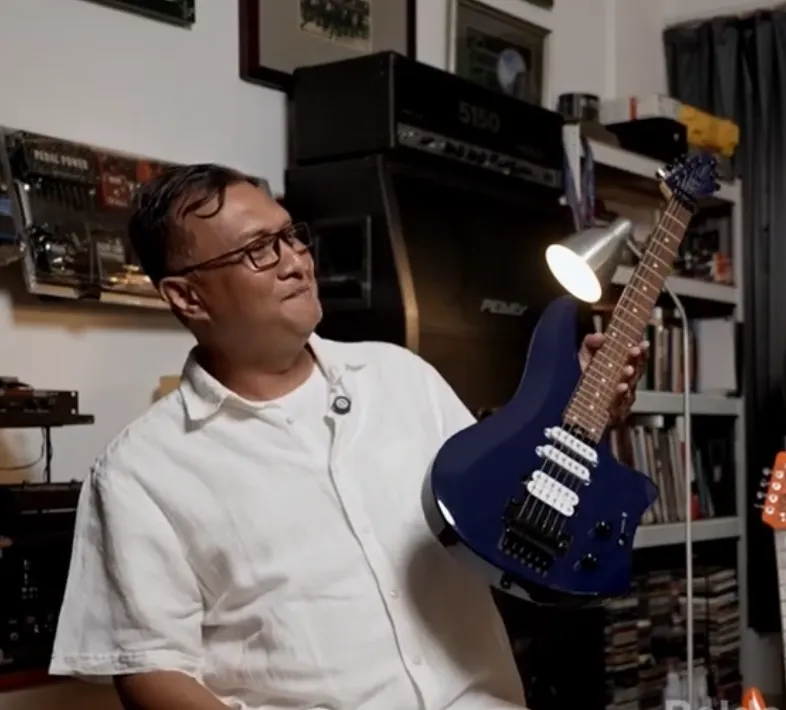
Long-Term Vision: Global Markets and a Legacy Across Generations
After six years of operation and approximately 450 units sold, Ari openly acknowledges that financially, the venture still operates at a loss and has yet to yield substantial returns. International logistics costs also continue to pose a significant hurdle in fulfilling orders from Malaysia, Singapore, and even Poland.
Yet, he remains steadfast. Ari is not constructing a seasonal enterprise; he is forging a legacy.
"Fall in love with the craft first. True recognition may only fully manifest in the next generation, when this Indonesian guitar name is celebrated for its resilience and unmistakable character."
What are your thoughts? Do you agree that local brands should now confidently command fair pricing for truly original craftsmanship?
Watch the full interview with Yuga Aden exploring Ari Tri Sosianto’s journey in building Homer Guitar here:
What did you think of this article?
Give a positive reaction or appreciation for this craft and story.